The $29,000 Exit
Drivers (Not) Wanted
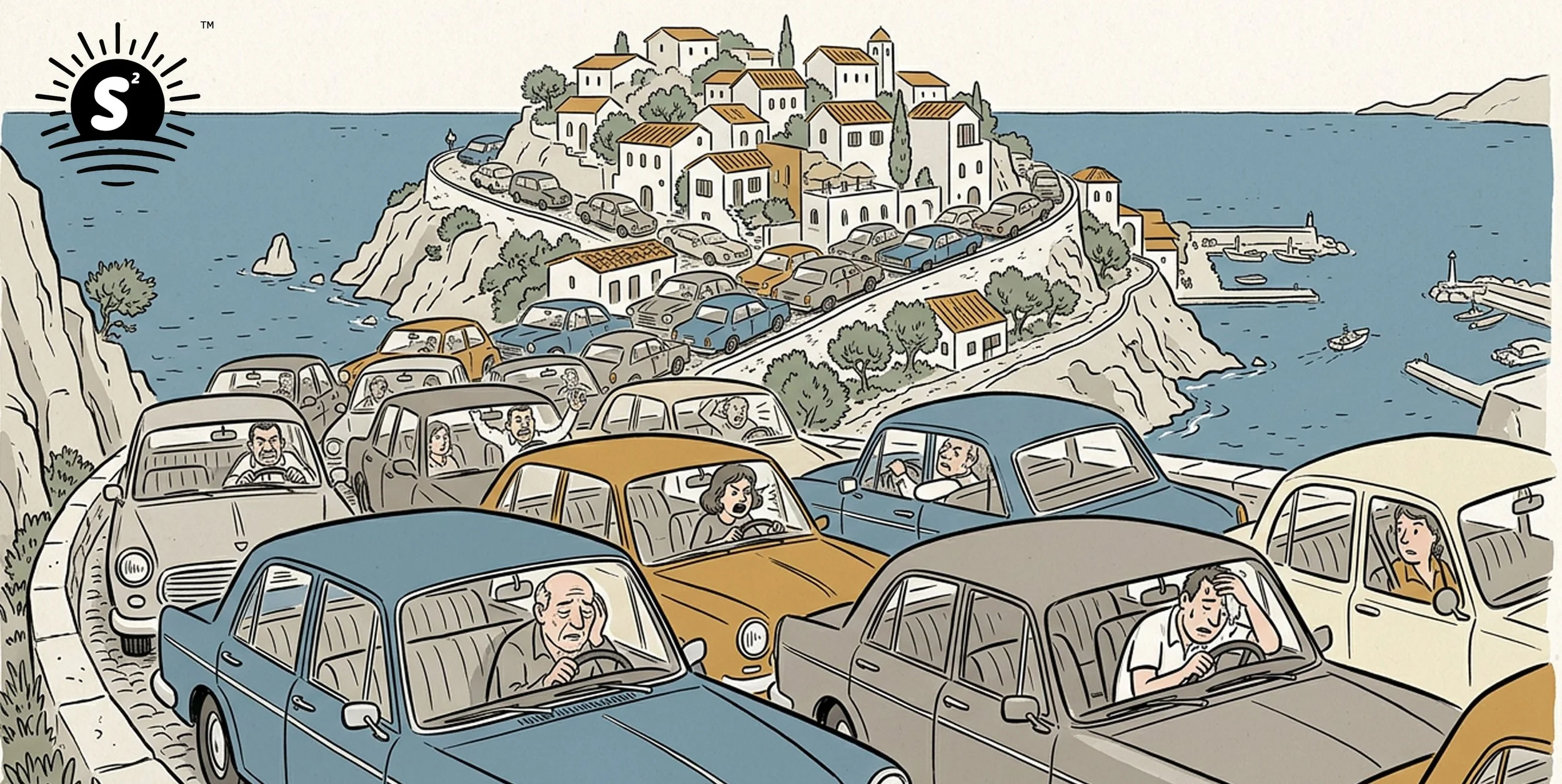
Nobody likes sitting in gridlock traffic. Not even a cabbie with a running meter. But as a driver, you essentially are traffic — and there's nothing you can do about it. Until now.
Well, at least in Malta.
The tiny island nation — located in the Mediterranean Sea just south of the "ball" that the Italian boot is about to kick — recently launched a program that pays residents $29,000 not to drive for five years. Participants would receive an annual check, and to qualify they must be younger than 30 years old, have lived on the island for seven years, and have a clean driving record for at least 12 months.
So basically, the least experienced drivers who have yet to earn their gridlock grays.
You may think gridlock is pretty bad in your city, but when it comes to traffic congestion, Malta is in a league of its own. Traffic in Malta's capital is so bad, drivers spent about 94 hours bumper-to-bumper in 2025.
That's enough time to watch every episode of The Sopranos.
The entire country is roughly the size of Philadelphia with approximately 575,000 residents, and there are nearly 800 vehicles per 1,000 inhabitants with no highway network to absorb them. With this new program being capped at 1,000 participants each year, that's less than 1% of the total population. That's like trying to quiet a party by asking one person to whisper.
The math ain't mathin'.
But wait. It gets worse. You have to re-take driver's ed at the end of the five years.
Pick your poison. Spend 94 hours in obnoxious gridlock or 15 hours in a classroom re-learning how to drive by watching outdated videos filmed during the Carter administration.
The Sopranos was a pretty good show.
The Malta Deal
So about that deal...
The interesting thing about it is, although both parties agree to the deal, their expected outcomes aren't exactly in sync.
The Maltese government wants to prevent young people from becoming lifelong car-dependent citizens. They're betting that forced reliance on buses, walking, or cycling will rewire how young people think about getting around. Essentially, they're trying to buy long-term behavior change to ease gridlock over time.
The young Maltese participants just want to receive guaranteed "free" money for a five-year moratorium on driving. They're willing to give up the ability to control their commute for a paycheck. Essentially, they're selling temporary inconvenience — probably with every intention of breaking their "new habit" at the end of the contract.
Both sides think they're getting the better part of the deal. And they're both right — for now.
A classic Malta Deal.
The Malta Deal — a phrase I'm coining right now — is any agreement where two parties sign the same contract but cash completely different checks.
Same terms, different outcomes.
The lateral move — it's pitched as leadership development that broadens experience. It's received as guaranteed visibility and a future promotion. The company gets cross-functional knowledge and a retention win. The employee gets a quieter desk — maybe — and a promise. Both signed the same offer letter.
The startup pay cut — someone takes below-market salary in exchange for equity. The company gets committed talent at a discount. The employee is betting on a future payout that may never come. Same term sheet. Very different retirements.
In a standard deal, both parties know what they want, negotiate accordingly, and accept the risk that the outcome might not materialize. The risk is acknowledged and priced in. You know what you're betting on.
In a Malta Deal, the risk isn't that the outcome might not happen. It's that each party is measuring success by a completely different ruler — and neither one knows it.
The Maltese government thinks it's purchasing behavior change. The citizens think they're selling temporary inconvenience. Neither party has lied, but they've also never had the conversation that would reveal they're solving completely different problems.
Every deal carries a risk of failure. But with a Malta Deal, the biggest risk is the failure to recognize when you're in one.
Question of the Week
Have you ever been in a Malta Deal without knowing it?
Are you subscribed?
If you enjoyed this article and want more weird stories that make corporate life make sense, Sunday Setup lands in your inbox every Sunday at 3:30 PM ET.
Click the button below to get a weekly dose of humor and mindfulness to help beat the Sunday Scaries.
